+75%
New-to-Brand Customer Contribution
2x
Prime Day Sales vs Previous Events
+20%
Top-of-Search Share
+25%
Revenue from Retargeting and Bundles
The Brand
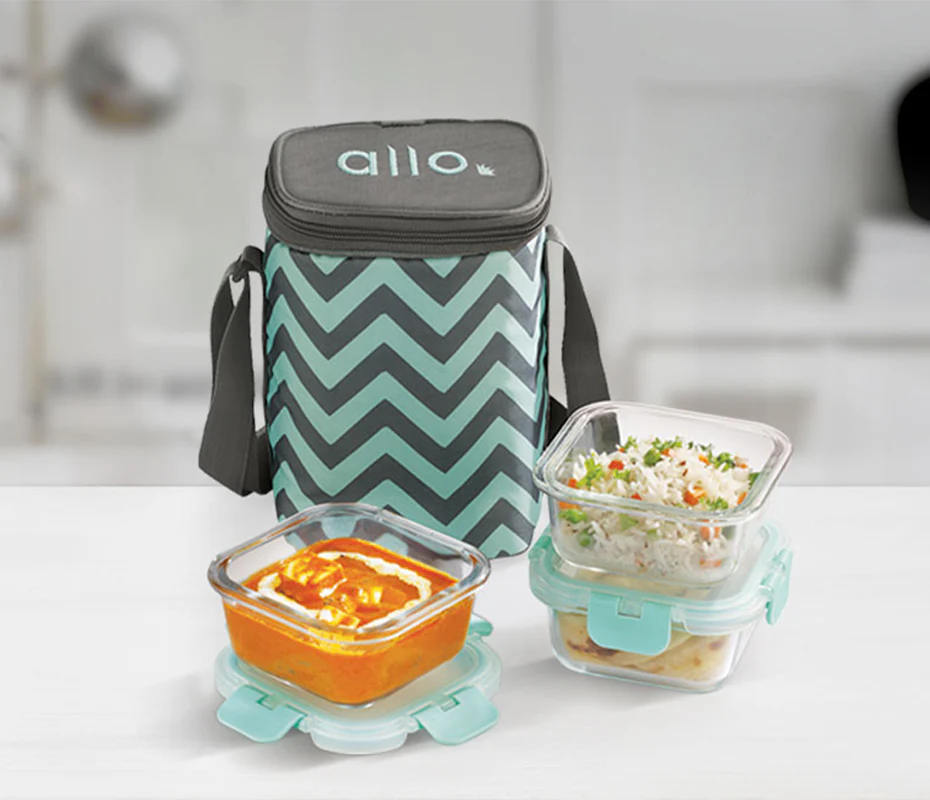
Allo Innoware is a health-first kitchenware startup based in India, focused on creating products designed to support safer, healthier cooking and storage. Built as a digitally native brand, Allo uses ecommerce channels to reach households across India while competing in categories dominated by long-established players.
Prime Day represents one of the most critical moments for discovery and scale in kitchenware. However, prior sale events had exposed structural gaps that prevented Allo from fully capitalizing on these high-intent windows.
Objectives and Challenges
Ahead of Prime Day, Allo faced a combination of planning, execution, and measurement challenges.
Media investment was heavily skewed toward Sponsored Products, leaving limited coverage across awareness and mid-funnel stages during the crucial pre-event period. Campaigns were typically launched only days before peak traffic, limiting learning, rank building, and relevance when demand surged.
Budget pacing was manual and reactive, causing top campaigns to exhaust budgets before evening conversion peaks. Creative formats such as Sponsored Brands and Sponsored Brands Video were underutilized, resulting in weak visibility on hero keywords.
Post-event momentum also dropped sharply. Without structured retargeting or continuity planning, sales declined quickly after deals ended. Share of Voice on key generic terms remained volatile, with competitors consistently holding premium placements.
Finally, performance decisions relied heavily on short attribution windows, making it difficult to connect pre-event awareness with in-event and post-event conversions.
Allo’s Prime Day objective was clear. Build visibility early, defend share during peak competition, and extend momentum after the event rather than treating Prime Day as a one-day spike.
Adbrew transformed our advertising strategy, significantly boosting our revenue within couple of months, thanks to their Bid Automation feature. Their quick customer support resolves queries instantly, making it easy to get help when needed. Adbrew efficiently handles bid adjustments, product analysis, campaign management, dayparting, and SOV tracking, saving us time and driving results. Adbrew has become an essential tool for our team's success, providing everything we need to excel in our advertising efforts.

Jinay Gala
Founder, Allo Innoware
The Solution
1. A Three-Phase Prime Day Framework
Allo rebuilt its Prime Day strategy around a clearly defined three-phase model, using insights, automation, and funnel alignment to fix past execution gaps.
Pre-Event: Awareness and Relevance
Campaigns were launched weeks ahead of Prime Day to allow sufficient learning and rank building. Single-keyword Sponsored Products campaigns were created using Search Query Performance and Brand Analytics insights, enabling precise control over bids and relevance.
Sponsored Brands and Sponsored Brands Video were activated early to build awareness and communicate use cases such as school lunch solutions and airtight storage. Product detail pages and Brand Store subpages were refreshed ahead of traffic spikes to improve clarity and conversion readiness.
Peak Event: Conversion and Control
At the start of Prime Day, automated bid and budget uplifts ensured strong top-of-search visibility from the first hours of the sale. Amazon Marketing Stream powered hourly bid rules that increased spend during high-conversion windows and controlled pacing during CPC spikes.
Top-of-search placement multipliers were applied across Sponsored Products and Sponsored Brands to defend visibility on hero keywords. Attribution insights from Amazon Marketing Cloud informed lower in-event ROAS thresholds, accounting for delayed conversions beyond same-day performance.
Post-Event: Retention and Continuity
Rather than pausing after Prime Day, bids were reset gradually as conversion efficiency declined. Sponsored Display remarketing targeted Prime Day product viewers and cart abandoners, capturing delayed demand.
Bundles informed by AMC ASIN overlap insights were launched to increase order value and repeat purchase likelihood. Sponsored Brands campaigns promoted these bundles using post-event themes that extended urgency beyond discounts.
Results and Impact
Allo’s Prime Day strategy delivered strong, sustained performance across pre-event visibility, peak-day conversion, and post-event retention, validating the shift to a phased, automation-led seasonal playbook.
Pre-Event Impact (Awareness & Readiness)
3× increase in top-of-search impression share during the two-week lead-in, signaling improved competitiveness ahead of peak demand
2×+ growth in Brand Store engagement, with a significant rise in returning visitors, indicating growing consideration
20%+ of Prime Day sales influenced by pre-event exposure, confirming the effectiveness of early awareness investments
Meaningful uplift in indexed brand recall across Cookware, Tableware, and Storage categories, marking a visibility inflection point
Prime Day Peak Performance (Conversion & Scale)
2× uplift in daily attributed sales compared to prior tentpole events
25%+ improvement in conversion rate versus previous Prime Day performance
30%+ average impression share on core hero keywords, closing the gap with category leaders
75%+ New-to-Brand customer contribution, highlighting strong acquisition during peak demand
Nearly 3× higher click-to-store rate on Sponsored Brands, confirming stronger top-funnel engagement even under competitive pressure
Post-Event Momentum (Retention & Value)
25%+ of post-event orders driven by retargeting audiences, proving second-wave effectiveness
7%+ increase in repeat purchase rate, supported by Sponsored Display and Brand Promotions
High-teens share of post-event revenue from bundled products, with materially higher average order value
Sustained keyword visibility and organic rank, avoiding the typical post-event performance drop
Outcome
By treating Prime Day as a connected, multi-phase growth opportunity rather than a single-day push, Allo transformed seasonal demand into sustained performance. The combination of early visibility, intraday automation, and post-event continuity helped the brand protect share, acquire new customers, and extend revenue beyond the event window.